

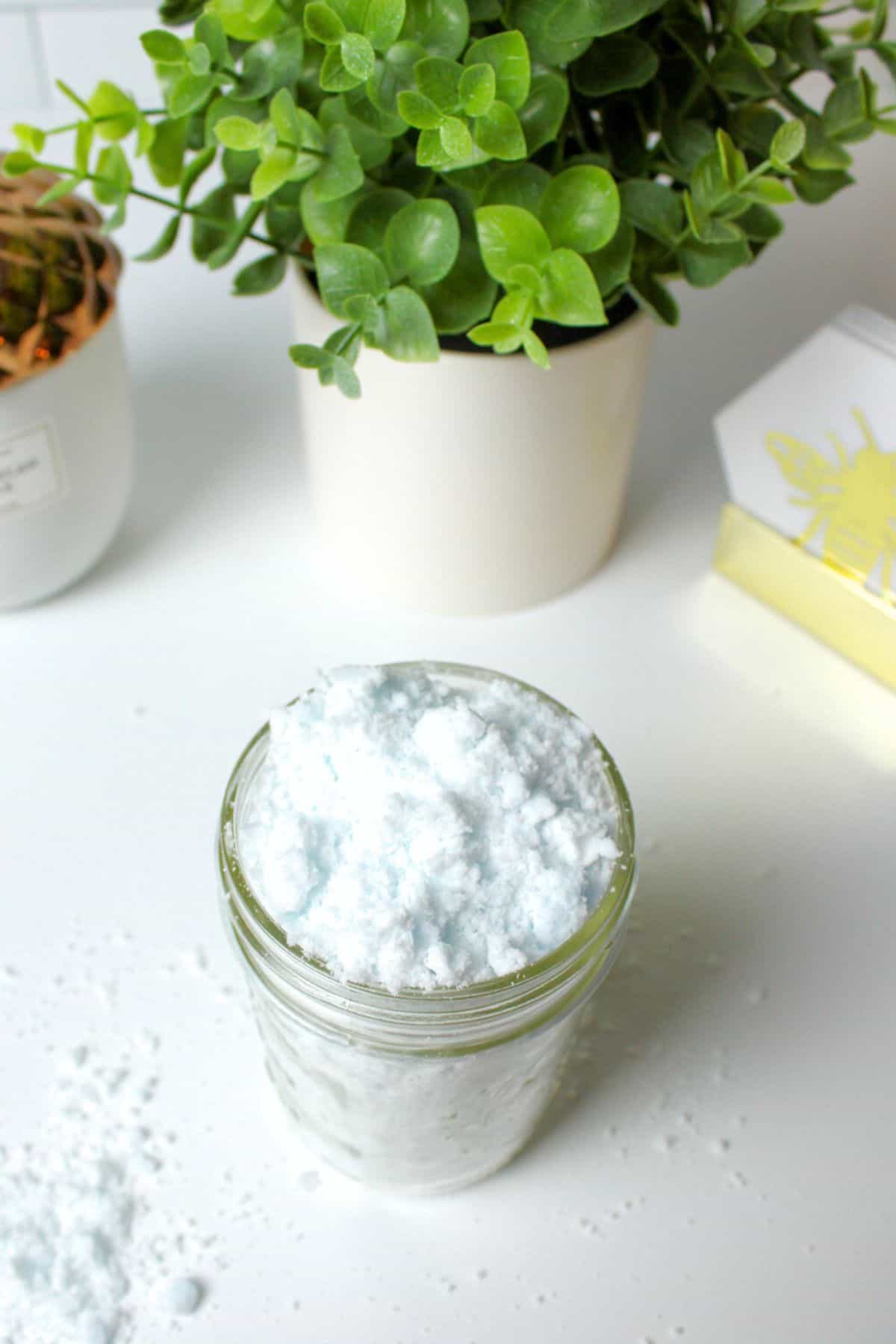
This DIY cleaning paste is a game-changer for scrubbing sinks, stovetops, and bathtubs. It works like a simple scrub cleaner, but without the harsh chemicals, and you probably already have the ingredients needed in your home right now.
Estimated Product Cost $0.62
Save This Recipe to Your Inbox
By signing up, you’ll join our email list and can unsubscribe anytime.
I have eczema on my hands, so strong chemical cleaners are a no-go. They sting like crazy, and gloves don't always hold up (they break too often). So I whip up this homemade cleaning paste whenever I want a shiny sink. It's effective, gentle on my skin, and doesn't leave my hands hurting.
I usually make a batch whenever I make my DIY Disinfectant Spray, so I can not only have a clean kitchen, but a CLEAN kitchen.
What makes this homemade soft scrub cleaner so amazing? It cuts through grime without being too abrasive, thanks to the combo of baking soda and dish soap. It's especially handy in the bathroom or kitchen, think soap scum, and crusty sink drains. It works like a charm!
This homemade soft scrub recipe is a creamy, powerful paste that's perfect for surfaces that need a little more scrubbing power, but not full-on abrasion. This scouring paste is your frugal friend and mine.
For more amazing cleaning products, check out my Homemade Stainless Steel Cleaner, The BEST Homemade Window Cleaner, and this Dryer Sheet Spray
Jump to:
🍯 Why This Product Works:
- Gentle but powerful. Just gritty enough to clean stuck-on messes without scratching most surfaces.
- Reduces waste. No more single-use cleaning wipes or plastic scrubbers, this paste + a rag gets the job done. Not only that, but because baking soda and other pantry ingredients can lose potency over time, and should be replaced every few months, this is a great way to use up what you would have otherwise tossed out.
- Frugal & flexible. Mixes up in under 5 minutes using basic ingredients. Just like my All Purpose Citrus Vinegar Cleaner, it's one of those cleaners you'll keep coming back to.
🧼 Ingredients Needed
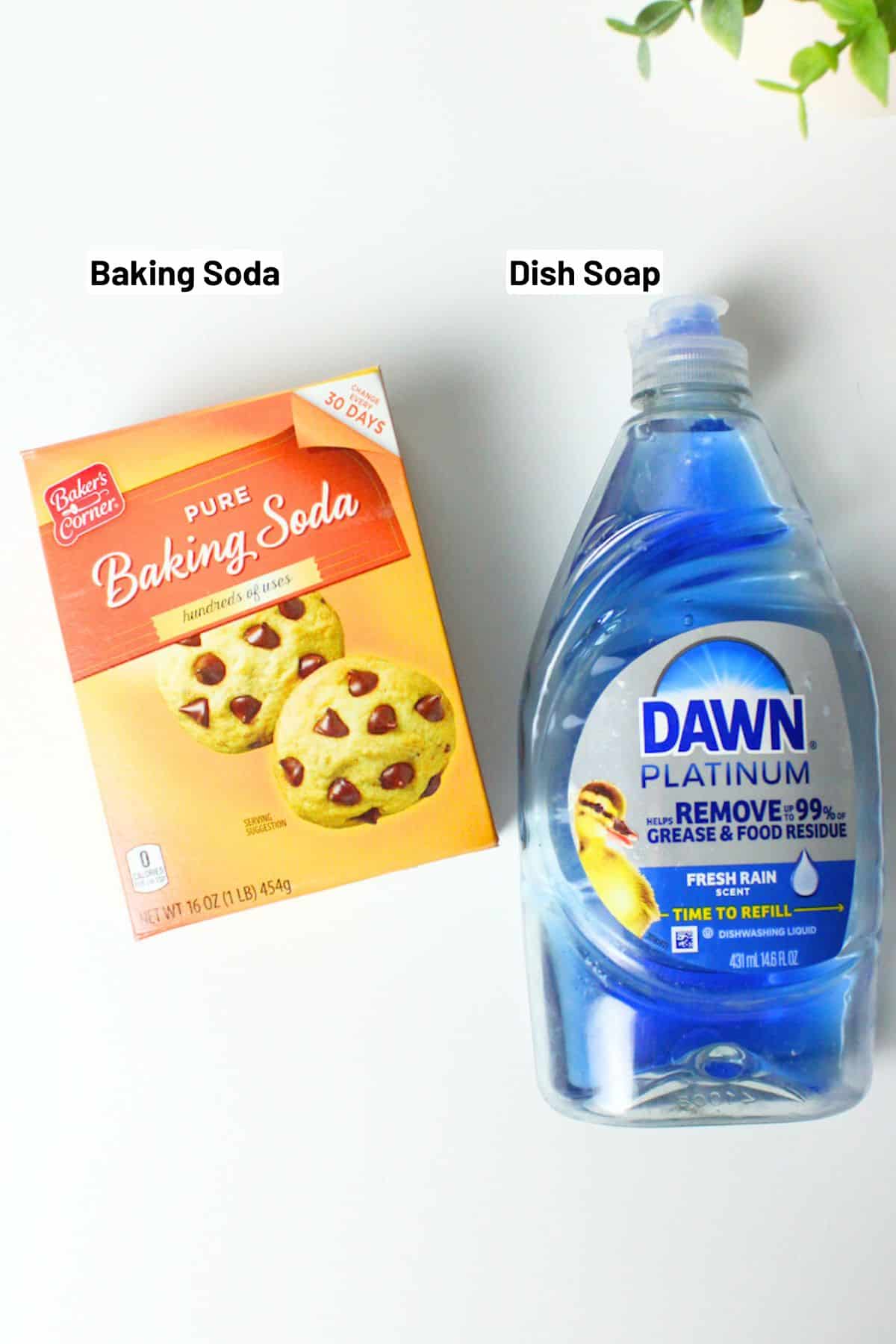
Baking Soda- This acts as a mild abrasive, helping to scrub away grime, water spots, and soap scum without scratching surfaces. It also neutralizes odors naturally, making it perfect for sinks and other high-use areas.
Castile Soap or Dish Soap- Both castile soap and regular dish soap are effective grease-cutters and help lift dirt from surfaces. Castile soap is especially gentle and plant-based, which makes it a great option for sensitive skin or eco-conscious households.
Optional: Essential Oils (Lemon, Peppermint, or Eucalyptus)
Essential oils can boost the cleaning power with natural antibacterial or antifungal properties and leave a fresh scent behind. Lemon cuts grease, peppermint feels cooling and fresh, and eucalyptus is naturally deodorizing. However...
⚠️ Pet Safety Disclaimer:
Essential oils can be harmful to pets, especially cats and dogs, if ingested, inhaled in large amounts, or absorbed through their skin. If you share your home with furry friends, you may want to skip the oils entirely or make sure any cleaned area is thoroughly rinsed and dried before allowing pets nearby.
🧹Instructions for DIY Cleaning Paste
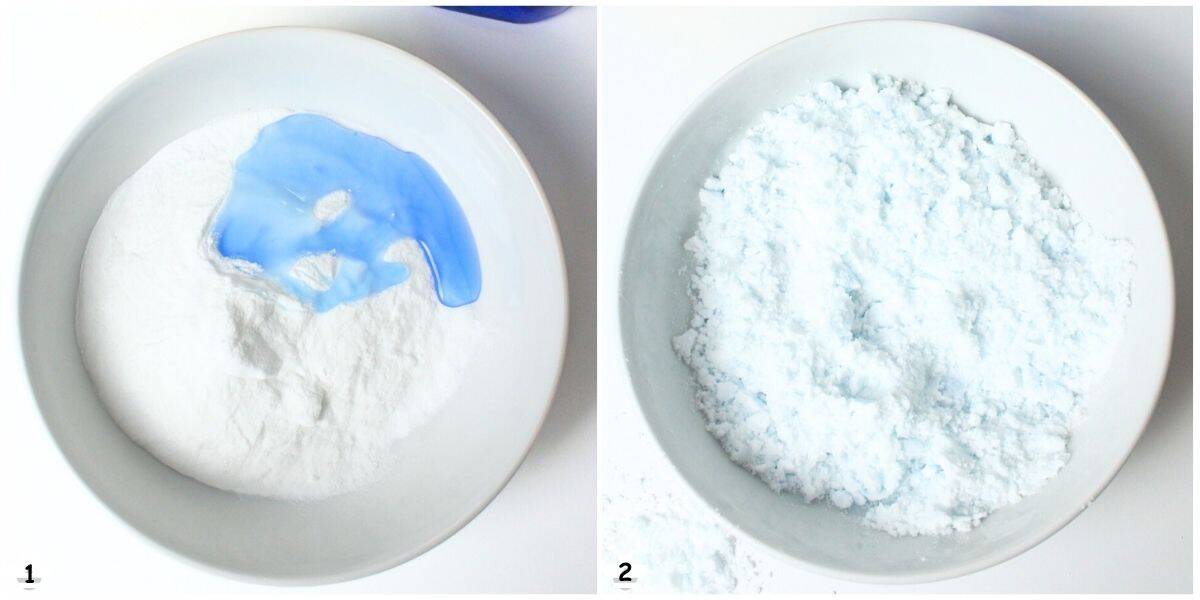
Step 1: Measure your baking soda into a bowl and add the dish soap (Image 1).
Step 2: Mix together to combine. (Image 2).
Step 3: Optionally, you can add in up to 10 drops of essential oil, OR for a more pet-friendly scented option, you can add in the zest of one orange.
Step 4: Use immediately or store. Scoop into a small lidded jar or container. Spread on surfaces with a sponge, let it sit a minute or two for tough grime, then scrub and rinse clean.
You want the mixture to form a nice thick paste that can be spread around, but if you don't add essential oil, that means to add in a tiny bit more soap to get it to that consistency, or add in a few drops of water.
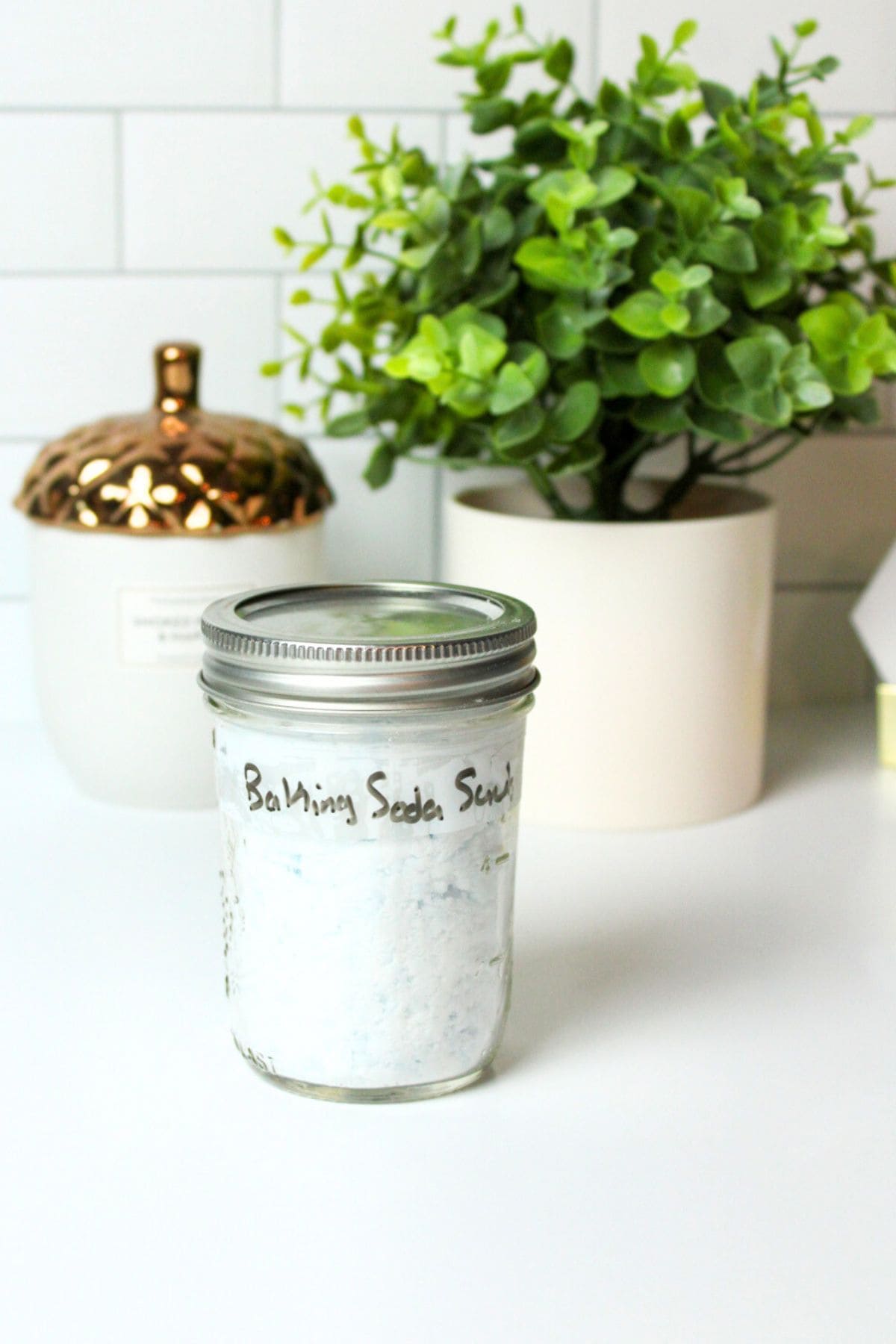
Personally, I like to keep my paste slightly dry (as shown) and store it in a sealed jar. When I'm ready to use it, I just scoop out what I need and mix in a few drops of water. It's super convenient and helps the paste last longer without drying out or becoming too runny over time.
🧽Expert Tips
- Don't let it dry out! If stored in an open container, the paste can harden. Keep it sealed and stir before each use.
- Use the right sponge. Non-abrasive is best for sinks, countertops, and ceramic. Use something stronger only on durable surfaces.
- Try it with a toothbrush. A designated cleaning toothbrush works wonders in tight corners and grout.
- Avoid on wood or unsealed stone. Use this on non-porous surfaces, like tile, ceramic, enamel, or stainless steel.
🪣Storage
Shelf Life: This baking soda paste can last up to 3 months when stored in a sealed jar. If it starts to dry out, just stir in a few drops of water or soap to bring it back to a spreadable consistency.
Effectiveness: While this mixture doesn't disinfect, it remains effective over time for scrubbing and deodorizing. It's especially useful for sinks, tubs, and even smelly armpit areas on shirts. Just be sure to spot test on delicate or colored fabrics first.
🧤Product FAQs
It's great for sinks, tubs, stovetops, tile, grout, and even polishing areas before using a cleaner like my Homemade Stainless Steel Cleaner.
No, baking soda can dull the finish of natural stone. Use a gentler cleaner like The BEST Homemade Window Cleaner for those surfaces.
Nope, this is not a disinfectant. It's meant for scrubbing and surface cleaning, not sanitizing. Use it with my DIY Disinfectant Spray if you need to clean and kill germs.
Yes! Just scoop a small amount around the bowl and scrub. It helps deodorize and clean, though I'd follow up with a liquid cleaner if needed.
🫧More Homemade Cleaning Products


If you tried this DIY Cleaning Paste (or any other DIY on my website), please let me know how it went in the 📝 comments below. I'd love to hear from you!
DIY Cleaning Paste
Ingredients
- 1 cup baking soda ($0.45)
- 1-2 tablespoons Dawn dish soap ($0.17)
Instructions
- Measure your baking soda into a bowl and add the dish soap.
- Mix together to combine.
- Optionally, you can add in up to 10 drops of essential oil, OR for a more pet-friendly scented option, you can add in the zest of one orange.
- Use immediately or store. Scoop into a small lidded jar or container. Spread on surfaces with a sponge, let it sit a minute or two for tough grime, then scrub and rinse clean.
- You want the mixture to form a nice thick paste that can be spread around, but if you don't add essential oil, that means to add in a tiny bit more soap to get it to that consistency, or add in a few drops of water.
- Personally, I like to keep my paste slightly dry and store it in a sealed jar. When I'm ready to use it, I just scoop out what I need and mix in a few drops of water. It's super convenient and helps the paste last longer without drying out or becoming too runny over time.
Notes
- Don't let it dry out! If stored in an open container, the paste can harden. Keep it sealed and stir before each use.
- Use the right sponge. Non-abrasive is best for sinks, countertops, and ceramic. Use something stronger only on durable surfaces.
- Try it with a toothbrush. A designated cleaning toothbrush works wonders in tight corners and grout.
- Avoid on wood or unsealed stone. Use this on non-porous surfaces, like tile, ceramic, enamel, or stainless steel.



Nicole Durham says
I love the way my kitchen sink sparkles after.